Spring
Apr – MayGreen valleys and blooming nature
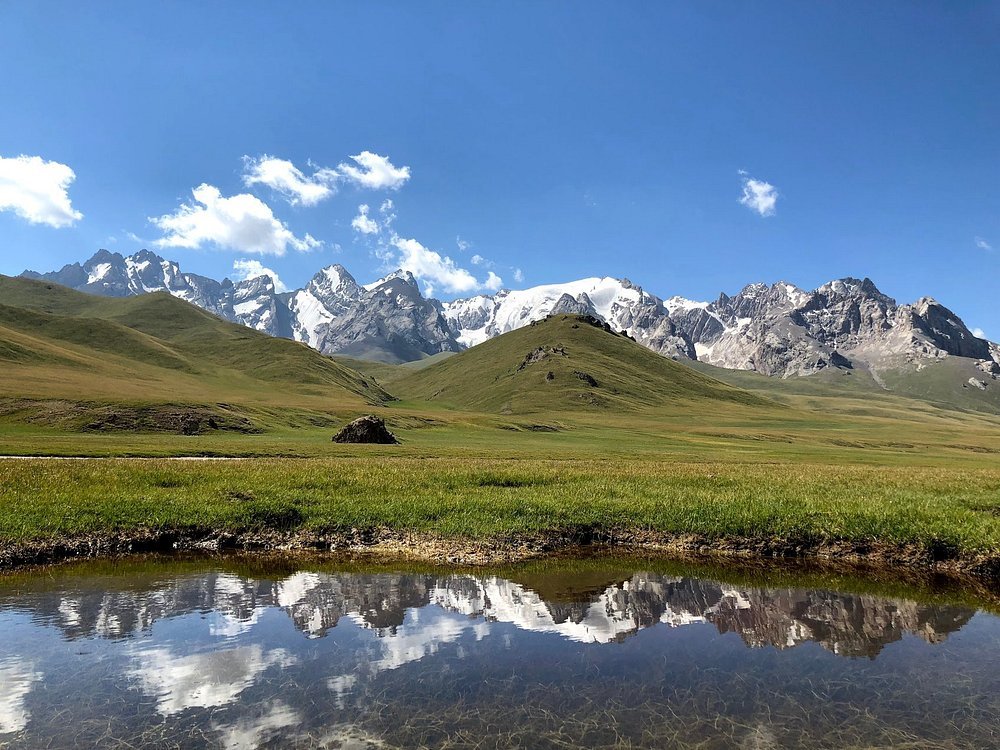
Kok-Kiya Valley is one of the most remote high-altitude landscapes in Kyrgyzstan. Located in the border zone of Naryn Region, the valley lies deep in the mountains of At-Bashy District and forms the main approach to spectacular Kel-Suu Lake.
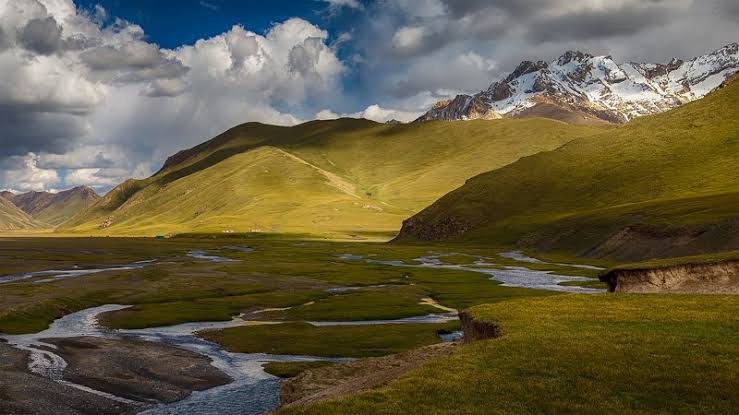
A winding mountain river flows across the valley floor, while steep cliffs, broad alpine meadows and rugged peaks surround the open landscape. Moreover, the Kok-Kiya River creates striking bends and channels as it passes through rocky canyons.
During summer, local herders bring livestock to these remote pastures. Therefore, travelers may see horses, yaks and seasonal yurts scattered across the valley. The area remains sparsely populated and has very little permanent infrastructure.
In addition, Kok-Kiya serves as the main base for journeys to Kel-Suu. Travelers usually stay in a seasonal yurt camp before continuing toward the lake on foot or horseback.
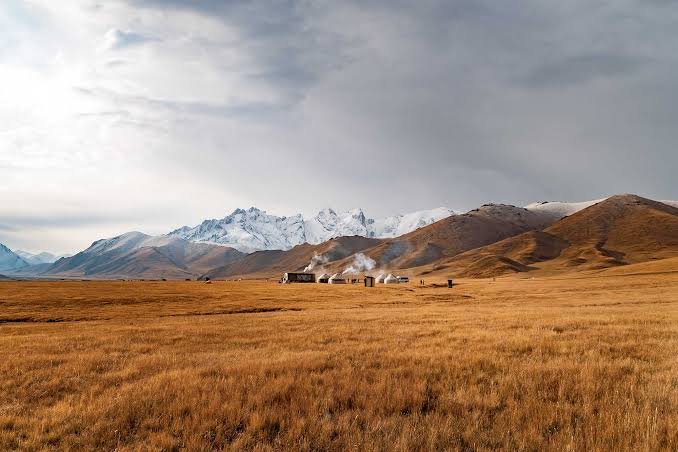
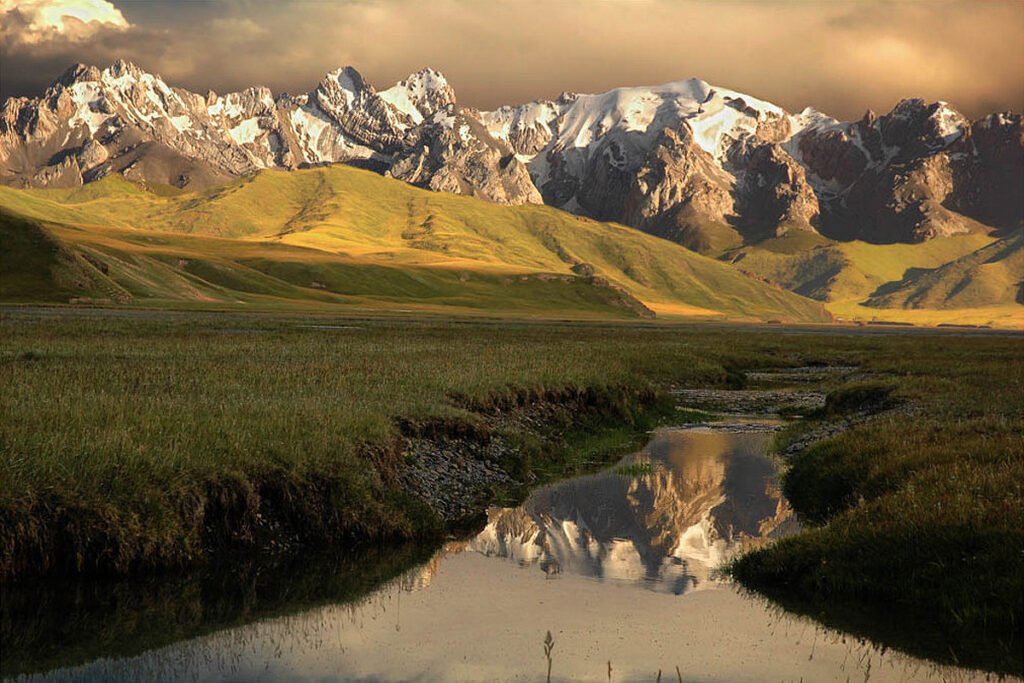
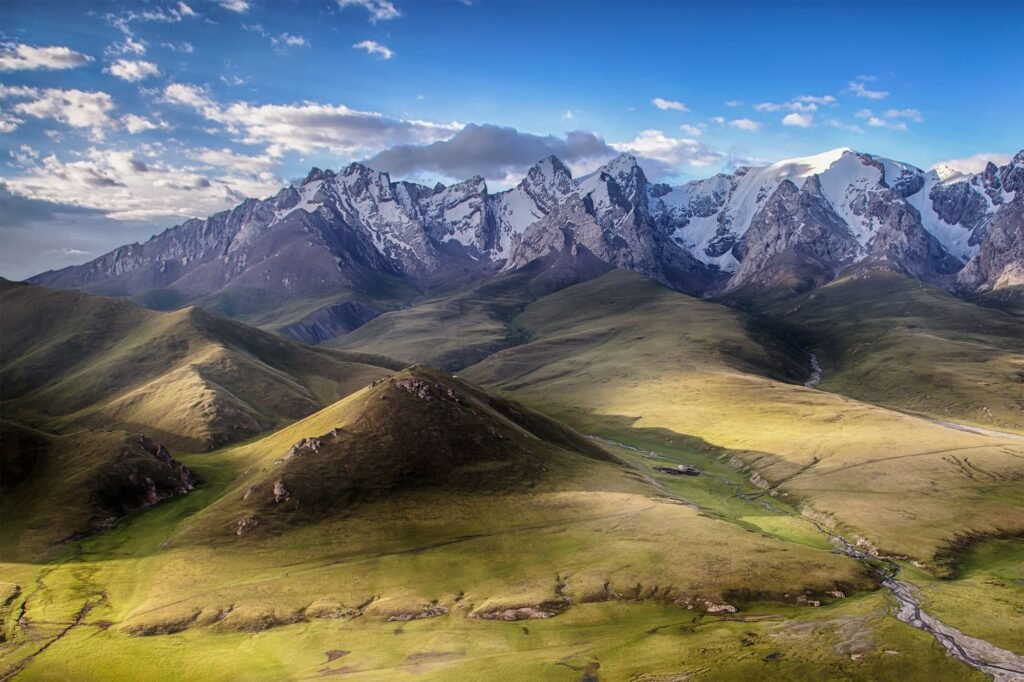
Each season reveals a different side of this destination.
Green valleys and blooming nature
Perfect for hiking and exploring
Golden landscapes and fewer crowds
Snowy scenery and a magical atmosphere
Kok-Kiya Valley is located in Kyrgyzstan. For the most comfortable journey, travel with a local guide or private transfer.
View on Google MapsPractical answers to common questions about visiting Kok-Kiya Valley.
Kok-Kiya Valley lies in At-Bashy District, Naryn Region, close to Kyrgyzstan's border with China.
The main tourist and yurt-camp area sits at roughly 3,300 m above sea level. From there, routes toward Kel-Suu climb to around 3,500 m.
The valley is known for its winding river, dramatic mountain scenery, seasonal nomadic camps, yaks and its role as the main gateway to Kel-Suu Lake.
Yes. Kok-Kiya lies within Kyrgyzstan's controlled border zone. Visitors need to arrange the required permit before entering the area.
Yes, a capable 4×4 is strongly recommended. The journey includes rough mountain roads, tracks and possible river crossings.
Yes. During summer, seasonal yurt camps provide simple accommodation and meals.
Yes. Horse riding is one of the most popular ways to explore the valley and reach Kel-Suu Lake.
The commonly used yurt camps sit below the lake, and travelers complete the final section on foot or horseback. Depending on the exact camp and route, this final approach can take several hours.
 7Days
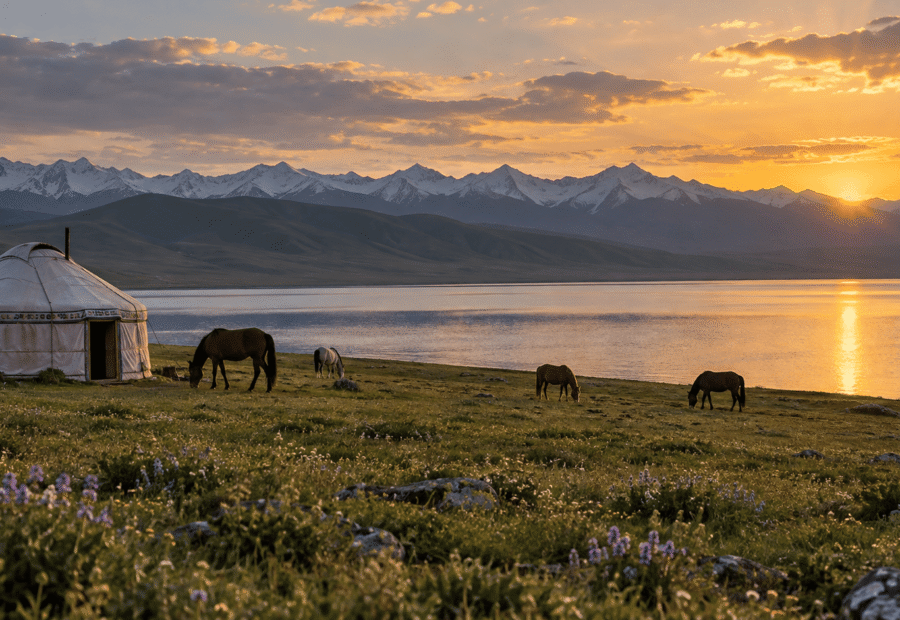
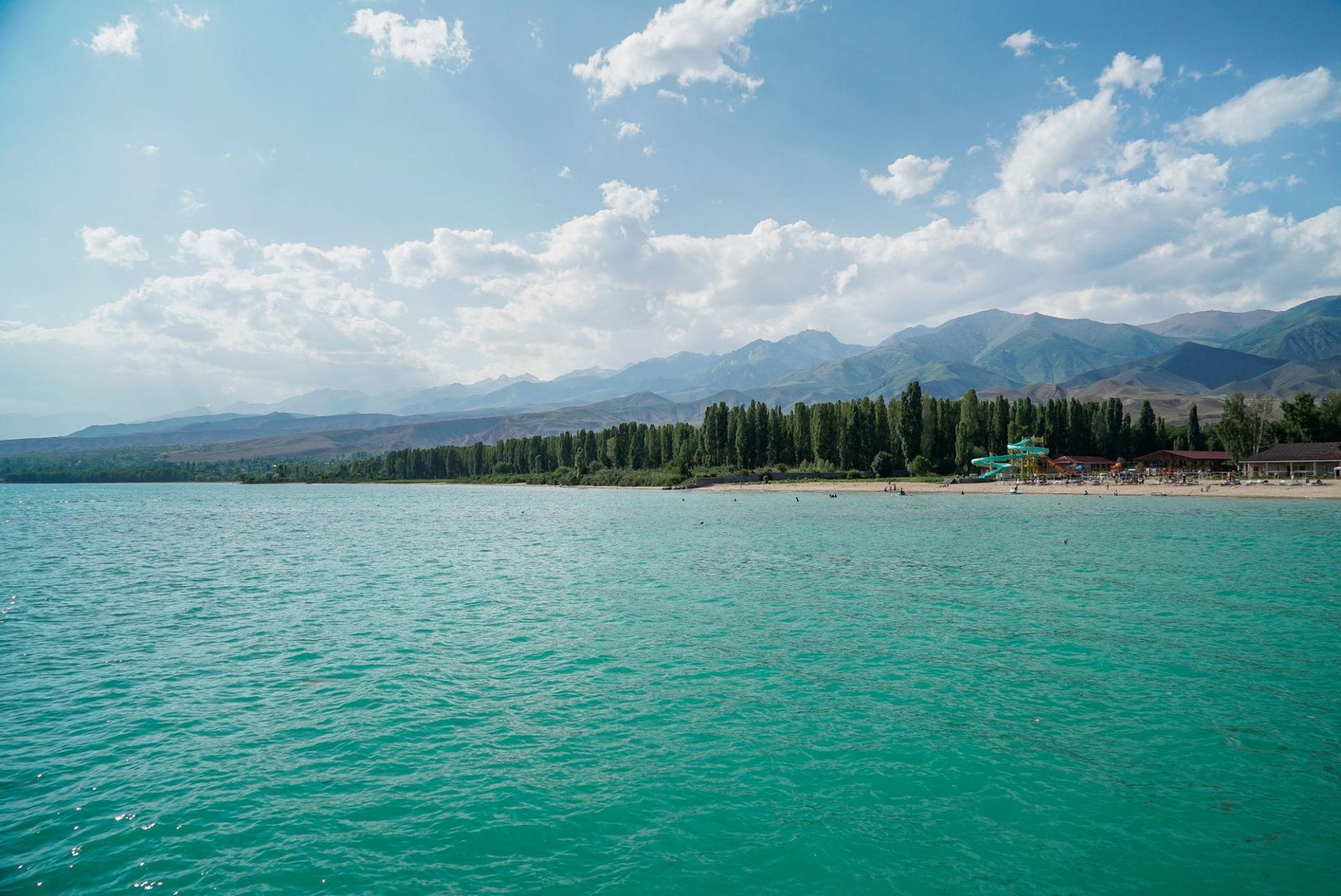
Kyrgyz Wonders Tour - 7 Days is a guided journey through Burana Tower, Song, Optional Horse Riding. First, discover Kyrgyzstan through scenic routes, local…
 10Days
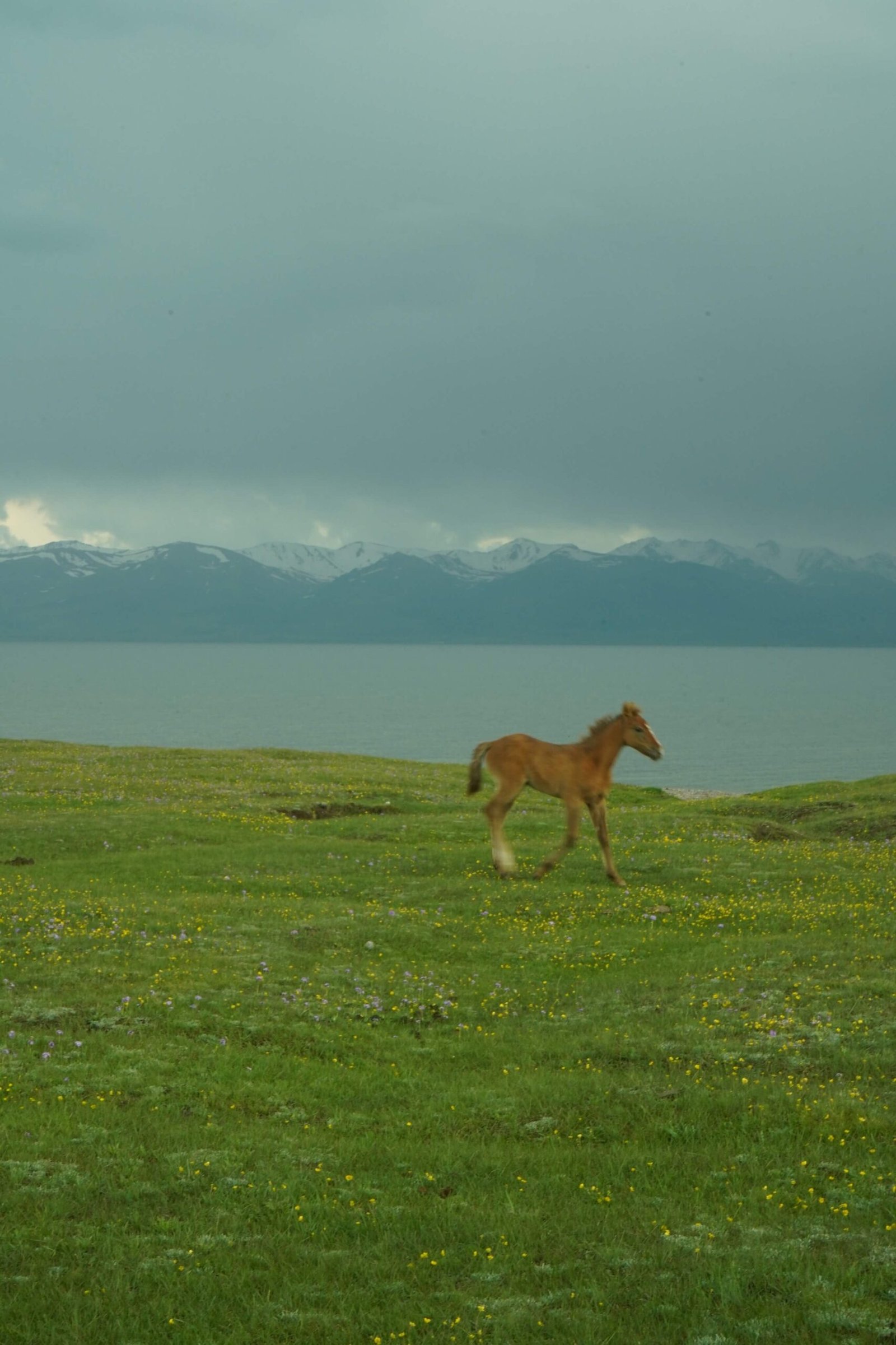
Kyrgyzstan Nature 10 Day Road Trip is a guided journey through Kyrgyzstan. This Kyrgyzstan 10 day road trip combines Burana Tower, Kalmak-Ashuu Pass, Song-Kol…
 9Days
Grand Kyrgyzstan Expedition 9 Day Road Trip is a guided journey through Kyrgyzstan. This Kyrgyzstan 9 day tour combines Burana Tower, Song-Kol Lake, Song-Kol…
Tell us which destinations you want to see and we’ll build a route around them.