
This Kyrgyzstan travel guide is designed for first-time visitors who want a clear picture of how travel works beyond the highlights. Kyrgyzstan combines modern city life, remote mountain roads, family-run guesthouses, yurt camps and long distances between regions. Therefore, a good itinerary balances ambitious scenery with realistic driving time, altitude and rest. The result is a trip that feels adventurous without becoming rushed.
Start With a Realistic Route
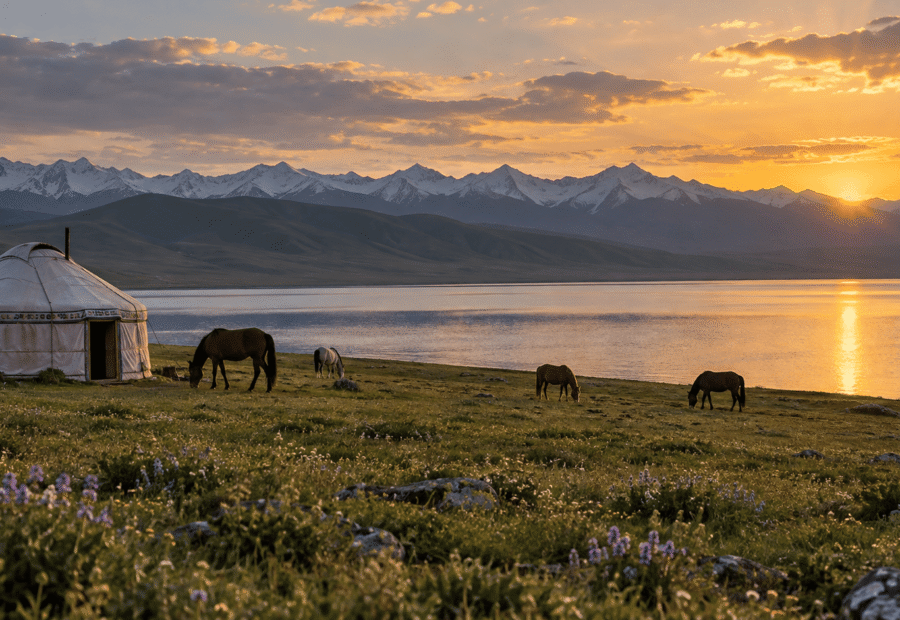
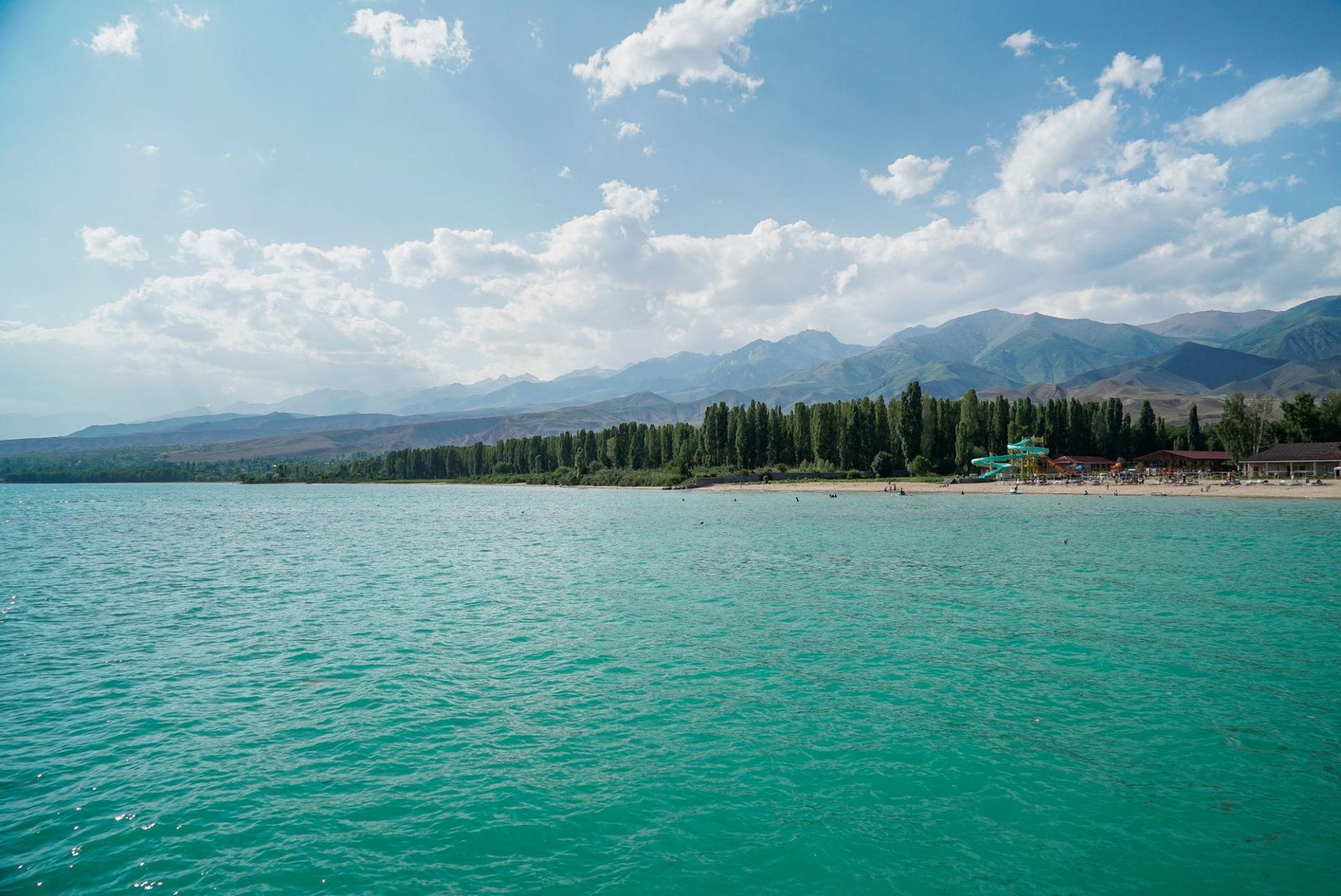
A classic first journey often combines Bishkek, Issyk-Kul, a mountain lake such as Song-Kol and one or two cultural or adventure areas. The temptation is to add every famous place, but mountain roads can make short map distances take much longer than expected. Build around a few anchor destinations and leave space for weather, photo stops and spontaneous local experiences.
If you have seven or eight days, choose a focused circuit. With ten to fourteen days, you can add more remote places or slower multi-day activities. In addition, consider where you want comfort and where a simpler guesthouse or yurt stay is part of the experience.
Transport and Mountain Roads
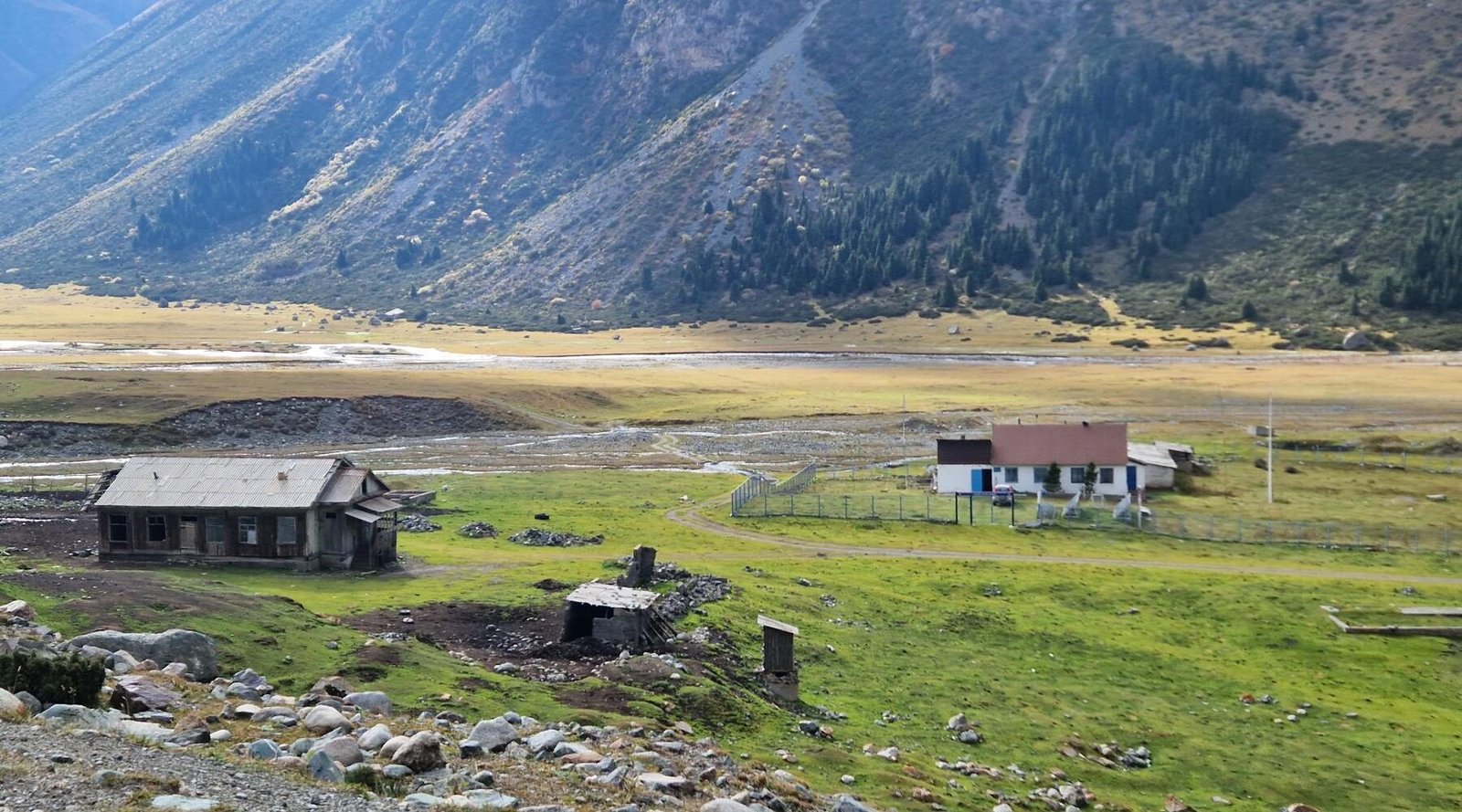
Public transport connects major towns, but many of Kyrgyzstan’s most memorable landscapes sit beyond straightforward bus routes. A driver, guide or 4×4 can be valuable for remote valleys and lakes. Road surfaces vary from good asphalt to gravel, washboard and seasonal tracks, so travel times should be treated as estimates rather than exact promises.
Weather, Altitude and Packing
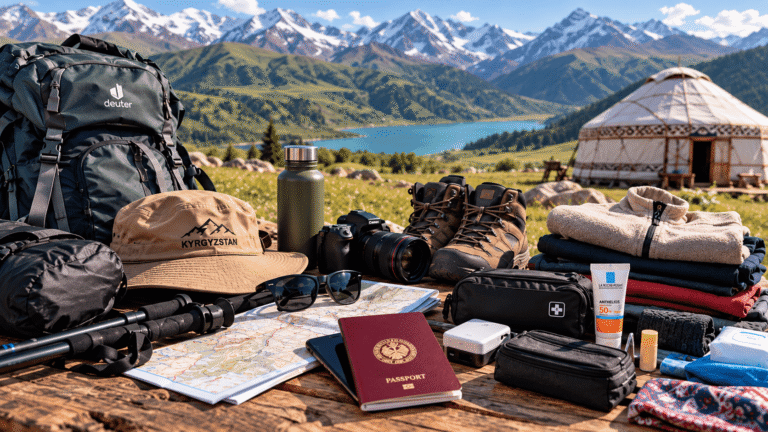
Kyrgyzstan is highly mountainous. Official tourism information says more than 80% of the country lies above 1,500 metres. Consequently, warm layers are useful even in summer, especially for evenings at Song-Kol, Kel-Suu or high passes. Sun protection, a light rain shell, sturdy footwear and a refillable bottle belong in almost every packing list.
Culture and Local Etiquette
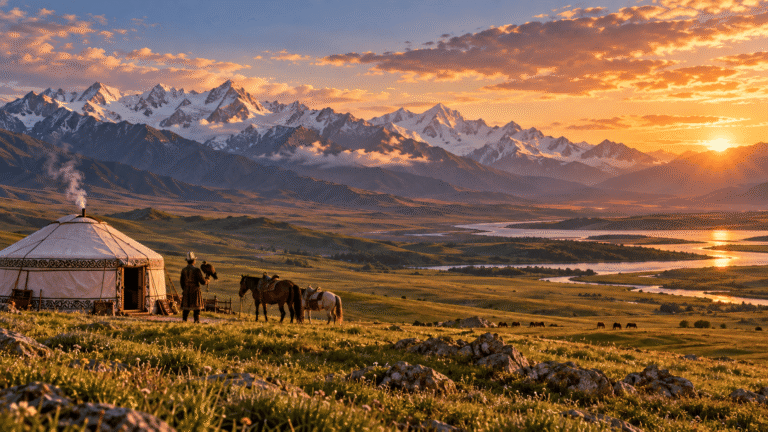
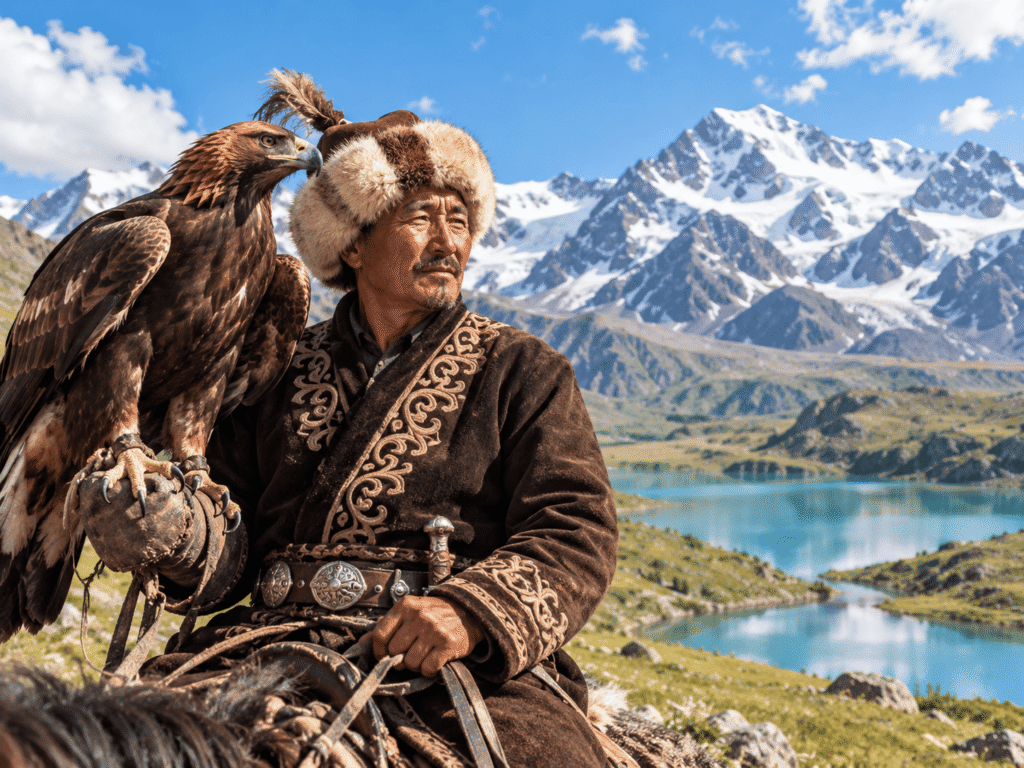
Hospitality is central to many travel experiences. You may be offered tea, bread, dairy products or a place at the family table. Accepting at least a little is a friendly gesture, although hosts understand dietary needs when you explain them politely. Ask before photographing people closely, and treat yurts, family homes and religious places as living spaces rather than staged attractions.
Money, Connectivity and Daily Practicalities
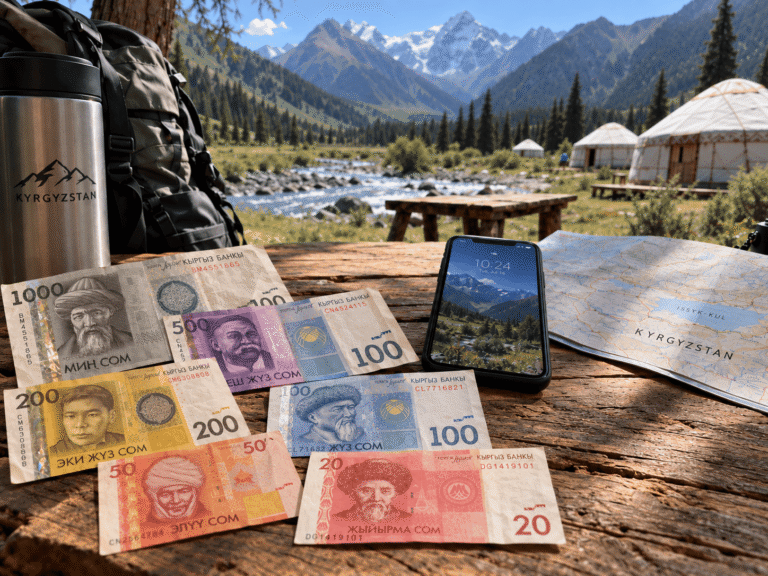
Cards are common in Bishkek and larger towns, but cash remains useful in rural areas. Mobile internet is generally practical in populated regions, while mountain coverage can disappear. Download maps before leaving town, carry some small cash and keep essential documents available offline. These simple habits make remote travel much easier.
Plan Your Next Step
Continue planning with packing advice, destination guides, private tours. These pages help you compare routes, destinations and travel styles without losing the context from this guide.
“A strong Kyrgyzstan itinerary leaves enough time to experience the road, not only the destination at the end of it.
— Kyrgyz Wonders Travel Team
Frequently Asked Questions
How many days do I need in Kyrgyzstan?
Eight to ten days is a useful first trip length, while two weeks allows a more relaxed route with remote destinations or multi-day trekking and horse riding.
Do I need a 4x4 in Kyrgyzstan?
Not for every route. However, a capable vehicle is useful for remote mountain roads and destinations where road quality changes with weather and season.
Can I travel in Kyrgyzstan without a guide?
Yes in many places, especially towns and established routes. A local guide or driver adds value for remote areas, cultural interpretation and complex mountain logistics.